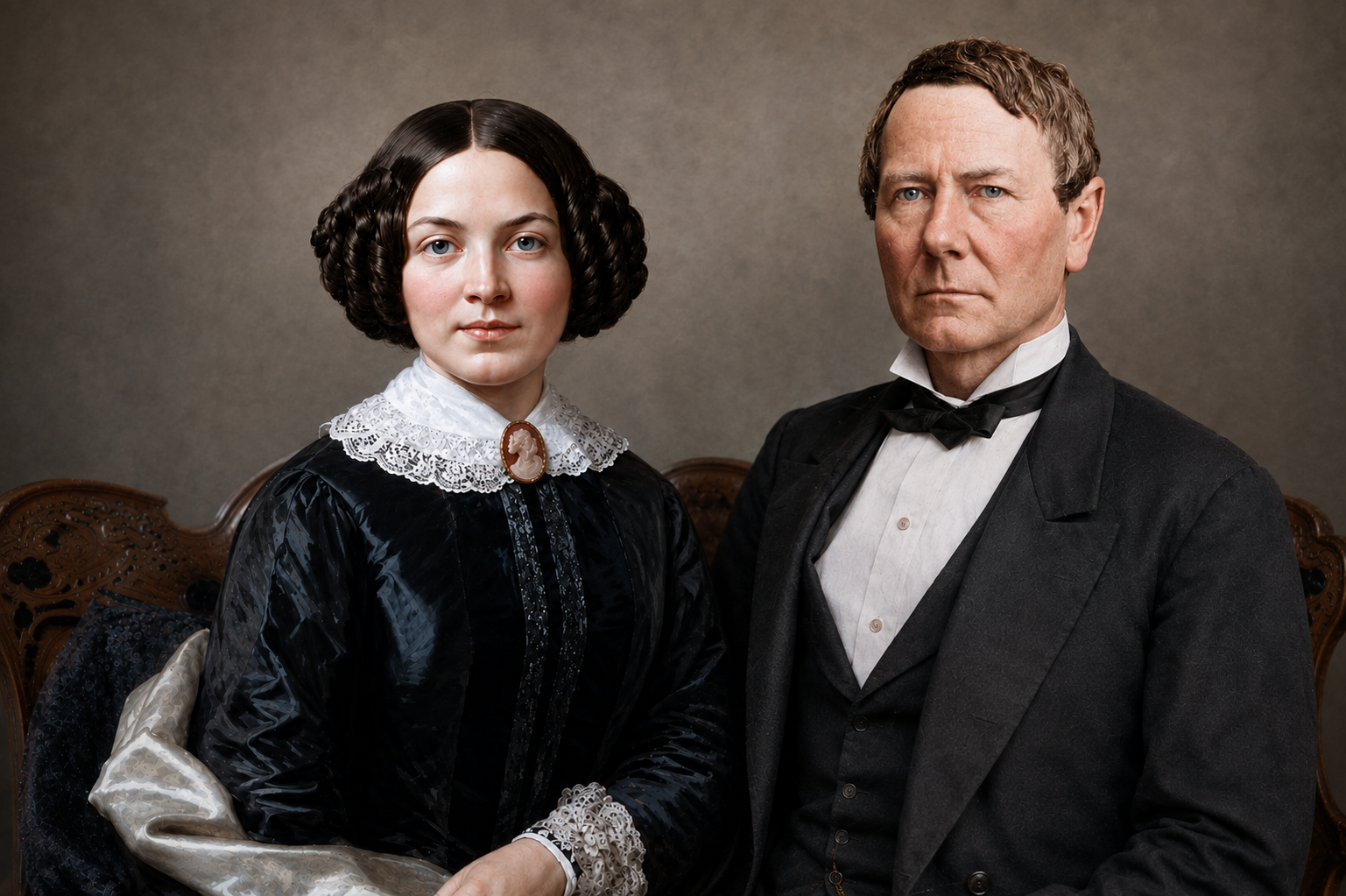
David and Jane Ellison Sinton: An Adams County Legacy of Industry and Philanthropy
The Adams County Community Foundation proudly remembers David Sinton (1808–1900) and his wife Jane Ellison Sinton (1826–1853) — two remarkable individuals whose roots trace back to the hills, river communities, and pioneer settlements of Adams County, Ohio, yet whose influence reached far beyond southern Ohio into the industrial and cultural history of Cincinnati. 
Born in County Armagh, Ireland, David Sinton emigrated to America in 1811 at just three years old. His family eventually settled near West Union, Adams County, where his industrious spirit took root.
At age 14, David left West Union for Sinking Spring in neighboring Highland County, working in a country store and tavern before returning to Adams County two years later to manage a store in Dunbar (now Jacksonville, three miles south of Peebles). These early experiences taught him the value of hard work, community, and enterprise — lessons that would shape his life.
In his twenties, David began working in the Hanging Rock Iron Region, a stretch of southern Ohio and northern Kentucky known for its iron furnaces and early manufacturing. Starting with hands-on labor, he learned every aspect of ironmaking — from smelting ore to managing operations. Over time, he built the Ohio Furnace and rebuilt the Union Furnace in Lawrence County, Ohio. His business skill, discipline, and integrity made him one of the most successful iron manufacturers in America.
In 1846, David, age 38, married Jane Ellison 19 of Manchester, Ohio, whose family was among the earliest and most respected pioneer families in Adams County. Jane’s ancestry represented some of the earliest settlement history along the Ohio River and in the forests of frontier Ohio.
Jane was the daughter of John Ellison and Anna Barr Ellison. Her father, John Ellison, was born in County Tyrone, Ireland, and came to Adams County as a child when his family settled at Manchester in the pioneer stockade settlement along the Ohio River. He later became sheriff of Adams County and served multiple terms in the Ohio Legislature during the early 1800s. 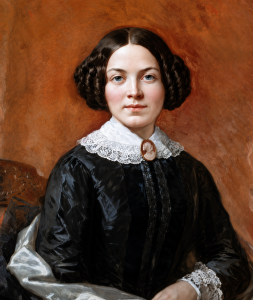
Jane’s grandfather, Andrew Ellison, was one of Adams County’s best-known pioneers. He arrived in Manchester in 1790 with General Nathaniel Massie and helped establish settlement in the wilderness along the Ohio River. His dramatic capture by Native Americans in the early 1790s became one of the memorable pioneer stories of Adams County history. After months of captivity, he eventually returned home and later built a large stone house north of West Union on Lick Fork of Brush Creek — a home considered one of the finest frontier residences of its time.
Jane’s family connections also tied her to one of the most dangerous periods in Ohio frontier history. Her maternal grandfather, Samuel Barr, was reportedly killed in 1792 during frontier fighting near present-day Williamsburg in Clermont County while serving with Simon Kenton during the Northwest Indian War.
By the late 1840s, David and Jane Sinton were living at 114 East Main Street in West Union in a home located on the courthouse square before moving to Cincinnati in 1849 so David could oversee his expanding business interests. The move placed him closer to banks, railroads, and investors fueling Ohio’s industrial growth. Over time, David Sinton became one of the wealthiest men in Ohio through iron production, railroads, and real estate investments.
As Cincinnati expanded following the Civil War, David Sinton also became involved in one of the city’s most ambitious transportation projects — the Cincinnati Southern Railway. Recognizing that rail connections to southern markets would strengthen Cincinnati commerce and industry, Sinton became a principal financial supporter and trustee of the railroad project linking Cincinnati to Chattanooga. The railway eventually became one of the nation’s most important north-south freight corridors. More than 150 years later, its legacy continues through the Cincinnati Southern Railway Trust, established after the railroad’s sale in 2024 for $1.6 billion. The trust will provide tens of millions of dollars annually for public infrastructure improvements benefiting the people of Cincinnati for generations to come.
Tragically, Jane Ellison Sinton died in 1853 at only 26 years old. Like many young women of her era, Jane Ellison Sinton lived during a time when disease frequently claimed lives at an early age. Cholera, tuberculosis, and typhoid fever were common causes of death in Cincinnati during the early 1850s. She was returned home to Adams County and buried at the Manchester Presbyterian Church Cemetery, where her grave remains today as a reminder of one of Adams County’s early daughters.
David and Jane had two children, Edward and Anna. Edward died young, leaving their daughter Anna Sinton Taft to carry forward the family’s extraordinary legacy.
Anna Sinton Taft — often called Annie Sinton-Taft — became one of the most influential philanthropists in Cincinnati history. In 1873, she married Charles Phelps Taft, a lawyer, newspaper publisher, and half-brother of future President William Howard Taft. Together, the Tafts transformed the Sinton fortune into one of the greatest philanthropic forces in Greater Cincinnati.
Among their most lasting contributions was the creation of what became the Taft Museum of Art. Anna and Charles donated their Pike Street mansion, the former home of her father David Sinton and current home of the Taft Museum of Art, and extraordinary art collection to the people of Cincinnati. Their collection included works by Rembrandt, Turner, Gainsborough, and Sargent and helped establish Cincinnati as a major Midwestern cultural center.
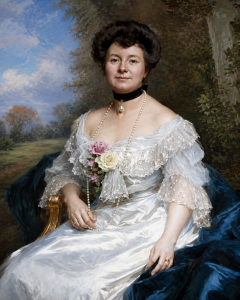
Anna Sinton Taft also provided major support to the University of Cincinnati, including the Charles Phelps Taft Memorial Fund, one of the university’s most important humanities endowments. The Tafts funded the original Taft Hall law building and supported educational programs that continue to influence students today.
Her generosity reached throughout Cincinnati’s civic and cultural life. She helped financially rescue the Cincinnati Zoo during a time of crisis, supported the Cincinnati Symphony Orchestra and Cincinnati Opera, and helped establish what later became ArtsWave, one of the nation’s oldest arts funding organizations.
Anna also became a leading advocate for public art, women’s civic involvement, and cultural access for all citizens. Through her philanthropy, the Sinton and Taft families helped shape the identity of modern Cincinnati in education, music, fine arts, and community life.
David Sinton never remarried. When he died in 1900, he left an estate valued at more than $20 million — roughly $800 million today. Yet perhaps the greatest legacy of David and Jane Ellison Sinton was not simply wealth, but the lasting impact their family had on future generations through philanthropy, education, culture, and public service.>
From the frontier stockades of Manchester and the forests surrounding West Union to the museums, universities, and cultural institutions of Cincinnati, the story of the Sinton and Ellison families reminds us that some of Ohio’s most remarkable legacies began right here in Adams County.