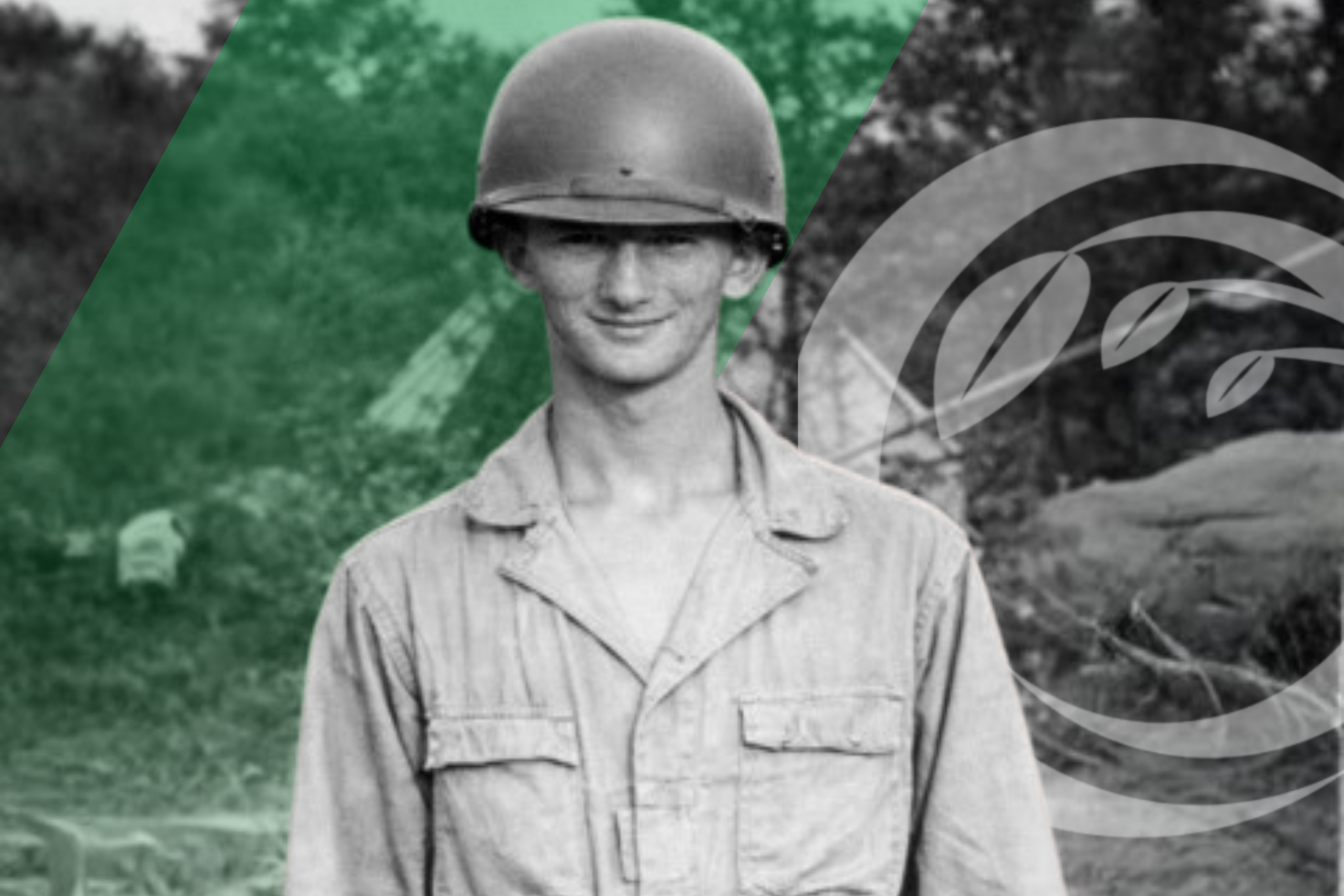
Remembering Robert James “Bob” Rader 1923 – 1997
“Band of Brothers” – Brother in Arms with friends Donald Hoobler and William Howell Easy Company, 2nd Battalion, 506th Parachute Infantry Regiment, 101st Airborne Division,
Robert James “Bob” Rader was a son of Adams County, Ohio, a dedicated educator, and a decorated World War II paratrooper whose life reflected quiet courage, humility, and lifelong service to others. Born on October 9, 1923, and raised in Manchester, Ohio, Bob grew up in a hardworking family shaped by military tradition. His father, Walter Wilson Rader Sr., was a World War I veteran who endured multiple battles in Europe and returned home wounded and gassed, experiences that left a lasting impression on Bob and helped shape his sense of duty and resilience. 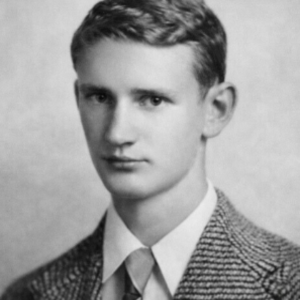
Bob was the third of six children—five brothers and one sister—born to Walter and Bessie (Hines) Rader. He attended Manchester High School, where he excelled in athletics and became the first in his family to graduate, earning his diploma in 1942 (pictured at right above). As a teenager, he briefly enlisted—illegally, at age sixteen—in the Ohio National Guard alongside his older brothers, motivated by a desire to help support his family. Though honorably discharged once his age was discovered, his determination to serve never faded. Not long after graduation from high school, Bob enlisted in the U.S. Army at Fort Thomas, Kentucky, joining the paratroopers with his close friends Donald Hoobler and William Howell, proudly calling themselves “the Three Hillbillies.”
Bob trained with Easy Company, 2nd Battalion, 506th Parachute Infantry Regiment, 101st Airborne Division, enduring the grueling regimen at Camp Toccoa, Georgia, including repeated runs up Currahee Mountain, followed by parachute school at Fort Benning and advanced airborne training in North Carolina. By the time Easy Company deployed overseas to England in 1943, Bob had risen to the rank of sergeant and would later lead a rifle squad of approximately twelve men. The long months in England forged bonds of brotherhood and discipline that would sustain him through the war’s fiercest battles.
On D-Day, June 6, 1944, Bob jumped into Normandy at night under extraordinary circumstances. His aircraft was riddled with enemy fire—later
estimated at nearly 250 hits—and the jump was made from dangerously low altitude after the aircraft’s jump signal was destroyed. Bob landed hard in a pasture, fracturing three vertebrae and losing all of his weapons, yet he pressed on without complaint. Armed with borrowed equipment, he fought near Sainte-Mère-Église, took part in the assault on Brécourt Manor, and continued through weeks of brutal combat near Carentan and the hedgerows of Normandy. His leadership and steadiness under fire earned him his first Bronze Star.
In September 1944, Bob again parachuted into combat during Operation Market Garden in the Netherlands. Wounded in the elbow by an accidental discharge by a comrade, he returned to the line when evacuation was impossible, continuing to lead his men through constant engagement with the enemy. That winter, Easy Company was rushed to Bastogne during the Battle of the Bulge, where Bob endured some of the harshest conditions of the war. With little food, no winter gear, and constant artillery fire, he suffered extreme cold so severe that his eyelids froze open and he lost feeling in his limbs. He was also shot in the hip during this period, an injury masked by extreme cold and discovered only decades later during an MRI. On Christmas Eve, Bob and his lifelong friend Donald Hoobler volunteered for outpost duty so others could rest. Days later, on 1/3/1945 his friend Bill Howell was wounded and friend Donald Hoobler was killed in action, a loss that haunted Bob for the remainder of his life. For his bravery and leadership in Holland and Bastogne, Bob was awarded a second Bronze Star.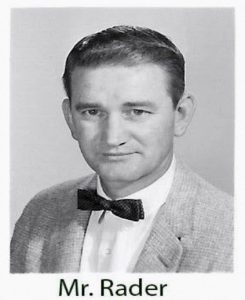
When Bob was discharged in November 1945, his body bore the scars of war—bullet wounds, shrapnel injuries, and unseen trauma. He declined the Purple Heart offered to him, saying simply, “How could I receive it when so many others were wounded so badly?” That humility would define the rest of his life.
Returning home, Bob used the GI Bill to pursue higher education, eventually earning a degree in education from Cedarville College. In 1950, he moved to California, where he married Lucille Erickson and raised two children, Robin and Donald Dukeman Rader, his son named in honor of fallen friends Donald Hoobler and Bill Dukeman. Bob devoted more than three decades to teaching and coaching in San Luis Obispo County, including 25 years in the Paso Robles School District. Known as “firm but fair,” he influenced generations of students, coached championship cross-country teams, volunteered as a firefighter, and worked tirelessly—often holding two jobs—to provide for his family.
In retirement, Bob found joy in fishing, golf, sports, travel, and writing letters to his fellow Easy Company veterans, often signing off with the words: “Be good, be careful, sleep warm.” Though he adjusted well to civilian life, the winter months and Christmas season always reminded him of Bastogne and the loss of his closest friend.
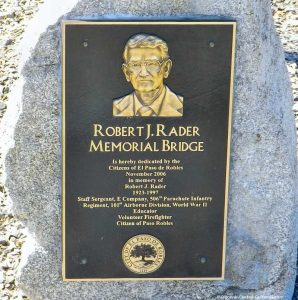 Robert James Rader died on April 5, 1997, at the age of seventy-three. In recognition of his service and lasting impact, the citizens of Paso Robles later dedicated a bridge in his honor, a tribute attended by family, former students, community leaders, and nine surviving Easy Company veterans. Today, Bob Rader is remembered not only as a decorated soldier, but as a
teacher, mentor, and humble servant whose life exemplified courage, sacrifice, and community—values the Adams County Community Foundation seeks to honor and preserve for future generations.
Robert James Rader is interred in the Paso Robles district cemetery, Paso Robles, San Luis Obispo County, California, Find-a-Grave memorial ID 95343277.